(424) - 242 - 3877
(424) - 242 - 3877


Image Signal Processing (ISP) technology is an indispensable part of digital imaging systems, responsible for converting raw data captured by image sensors (usually in RAW format) into final, high-quality images. The evolution of ISP technology from traditional ISP to computer vision and then to artificial intelligence has been significant. Below is an overview of this evolution process:
1. Traditional ISP Basic Concepts: Early ISPs relied mainly on hardware and fixed algorithms to process images. These processing steps included demosaicing (converting RAW images into RGB images), white balance adjustment, color correction, sharpening, noise suppression, etc. Advantages: Due to the fixed processing steps, traditional ISPs could achieve fast, real-time image processing suitable for early digital cameras and mobile phones. Limitations: Fixed algorithms struggled to cope with all shooting conditions, especially in low light or high dynamic range environments, often resulting in less-than-ideal image quality.
2. ISP Enhanced with Computer Vision Integration of Computer Vision: With the development of computer vision technology, ISPs began to integrate more vision-based functionalities, such as face detection and scene recognition, to improve image processing effects. Algorithmic Advancements: Advanced algorithms (such as edge detection, texture recognition) were used to improve image quality, for example, by dynamically adjusting exposure and color balance based on scene content analysis. Limitations: Although computer vision technology improved the adaptability of ISPs, these methods still relied on preset rules and models, which sometimes struggled with complex or unknown scenes.
3. AI-based ISP (AI-ISP) AI-driven Transformation: In recent years, the development of artificial intelligence and deep learning has completely changed the landscape of ISP. AI-ISP uses vast amounts of data and deep neural networks to learn the best ways to process images. Personalization and Adaptability: AI can learn the optimal processing methods under different shooting conditions and can even make personalized adjustments to suit specific user preferences. Performance in High Dynamic Range and Low Light: AI-ISP is particularly effective in high dynamic range (HDR) and low-light conditions, producing high-quality images that are difficult to achieve with traditional methods. Innovative Applications: Beyond basic image processing tasks, AI-ISP can also perform advanced functions such as image style transfer and super-resolution reconstruction.
Drivers of Technological Evolution
Hardware Advancements: Dramatic enhancements in processor performance, notably within GPUs and dedicated AI accelerators, have facilitated the real-time execution of intricate AI algorithms on various devices.
Software Innovations: The advent of novel algorithms and model designs has ushered in a new era of image processing, marked by heightened quality and efficiency.
Data-Driven: The abundance of vast image datasets has laid the groundwork for training deep learning models, serving as a cornerstone for the triumph of AI-ISP.

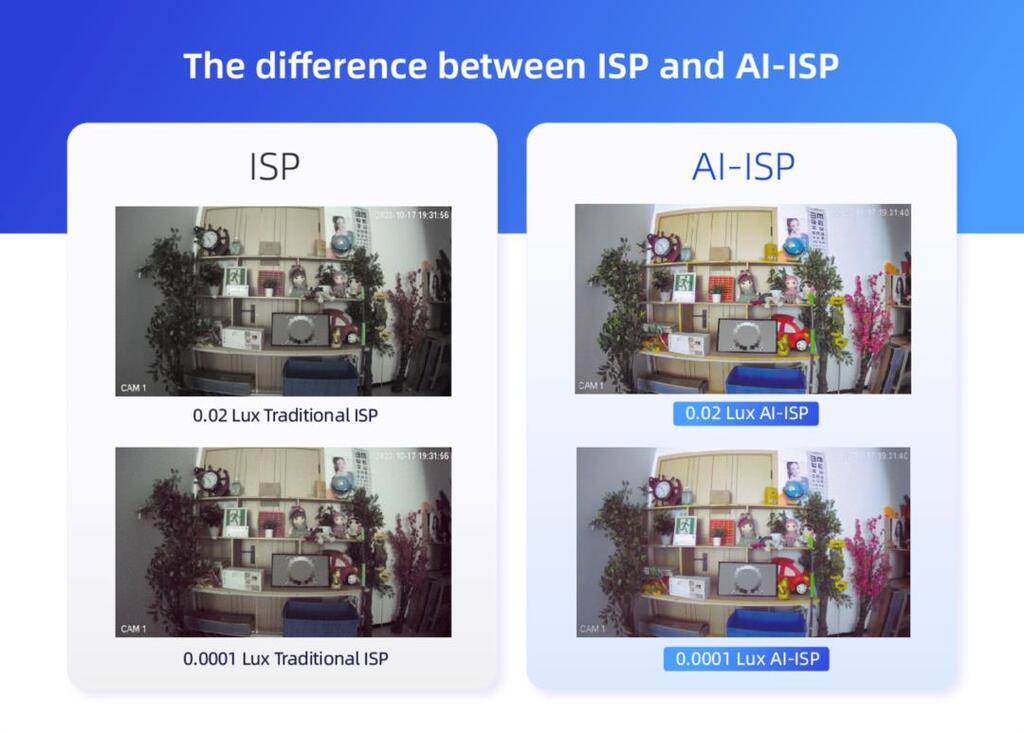
Basic Concepts: During their nascent stages, traditional ISPs primarily relied on hardware components and pre-defined algorithms to undertake image processing tasks. These included essential procedures such as demosaicing (the conversion of RAW images to RGB), white balance adjustments, color correction, sharpening, and noise suppression.
Advantages: Owing to their reliance on fixed processing steps, traditional ISPs boasted swift and real-time image processing capabilities, rendering them suitable for early digital cameras and mobile devices.
Limitations: However, the rigidity of fixed algorithms posed challenges, particularly when confronted with diverse shooting conditions such as low-light environments or high dynamic range scenes. This inflexibility often led to suboptimal image quality outcomes.
ISP Enhanced with Computer Vision
Incorporating Computer Vision: As computer vision technology advanced, ISPs began integrating a wider array of vision-based functionalities, including but not limited to face detection and scene recognition. These additions aimed to enhance the overall efficacy of image processing.
Algorithmic Progression: Alongside, sophisticated algorithms such as edge detection and texture recognition were employed to elevate image quality. For instance, dynamic adjustments in exposure and color balance were made possible through scene content analysis.
Limitations: Despite the improvements facilitated by computer vision integration, ISPs remained constrained by preset rules and models. Consequently, they occasionally struggled to effectively process complex or unfamiliar scenes.
FAQ
AI ISP (Image Signal Processing)
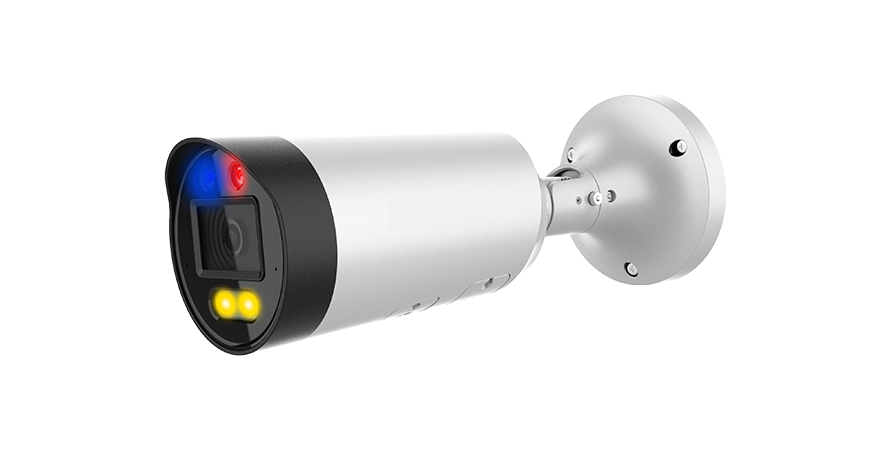
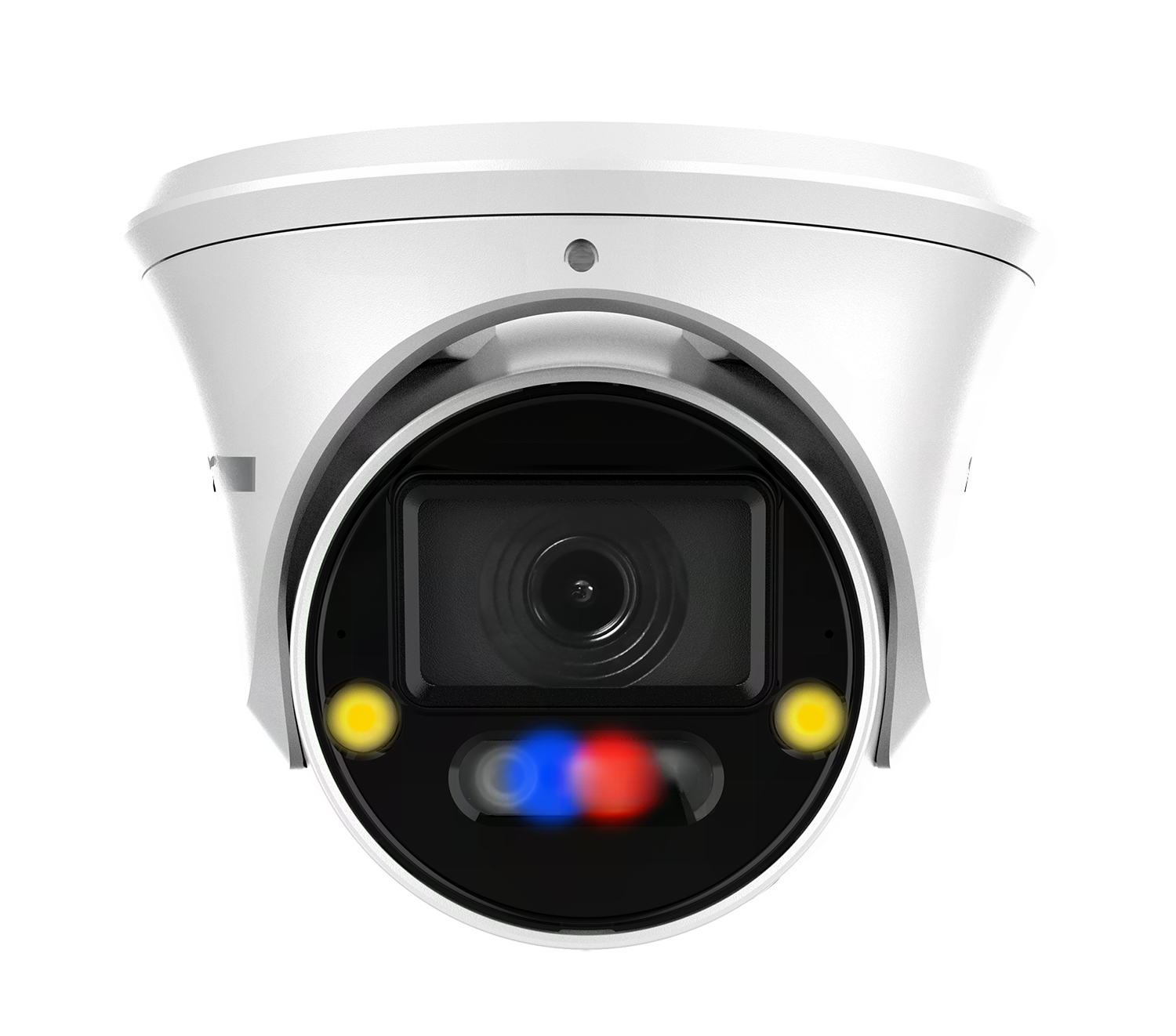
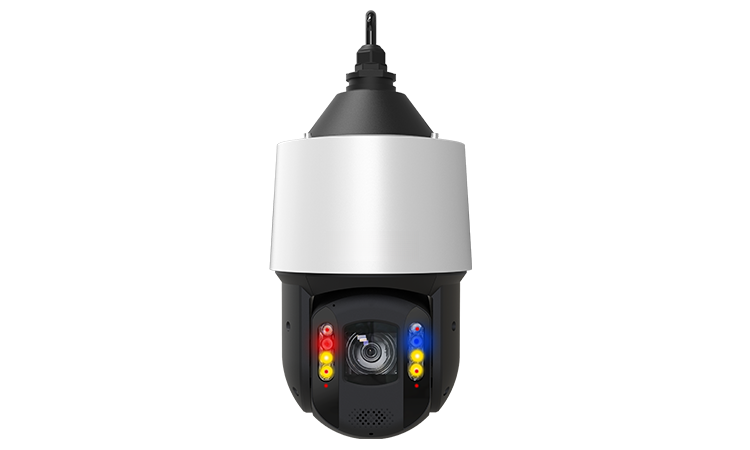
AI ISP network cameras are available in turret, bullet, and PTZ housing.
Yes. Better quality and performance.
Minimum 2 Years and up to 5 Years
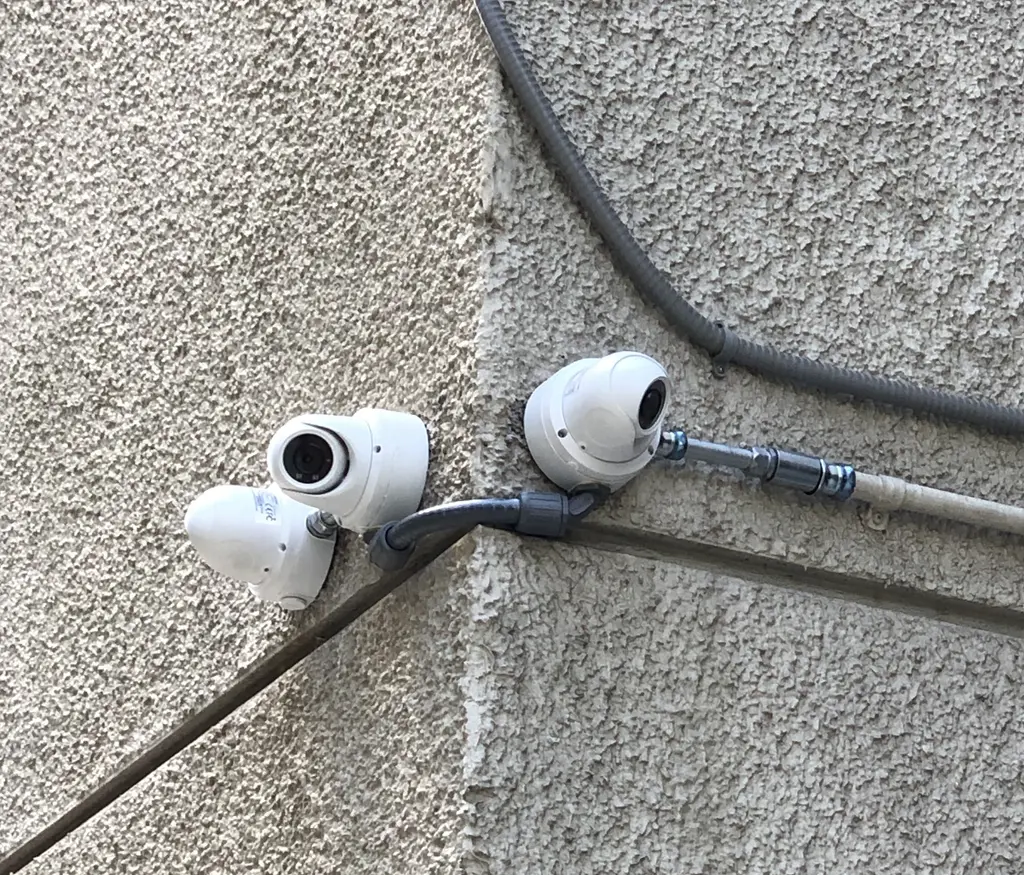
This advanced video security system leverages AI ISP (Image Signal Processing) technology to deliver superior surveillance for both IP network camera businesses and residential properties. It utilizes intelligent processing to enhance image clarity, optimize performance in varying light conditions, and reduce bandwidth usage without compromising video quality. The system is designed to provide reliable, high-definition monitoring, offering features like real-time analytics, proactive threat detection, and seamless integration with existing network infrastructure. It represents a dedicated security solution that meets the demanding requirements of commercial operations while also being accessible and effective for safeguarding private homes.
Areas We Serve



Copyright 2002 - 2026 DVRS